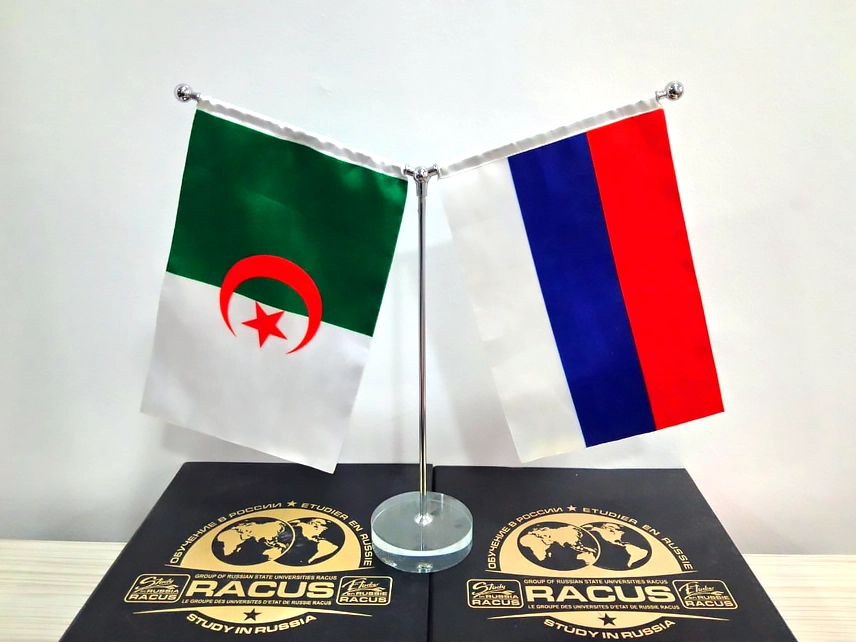
On October 28, 2026, the Third Russia–Africa Summit and the Russia–Africa Economic and Humanitarian Forum will begin in Moscow, which is one of the largest international events defining the directions of Russia’s interaction with the states of the African continent for the coming years. At the center of the two-day agenda are economics and investment, industry, healthcare, energy, food security, technology, science, education, and human capital development. The Forum program includes more than 40 thematic discussions with about 100 speakers. Its central theme is "Together we develop mutually beneficial cooperation and the potential of every African country."
A special place in the program is occupied by the partnership between Russia and Africa in education. Separate discussions are dedicated to workforce training, the transfer of educational technologies, youth initiatives, and the creation of professional connections of the new generation.

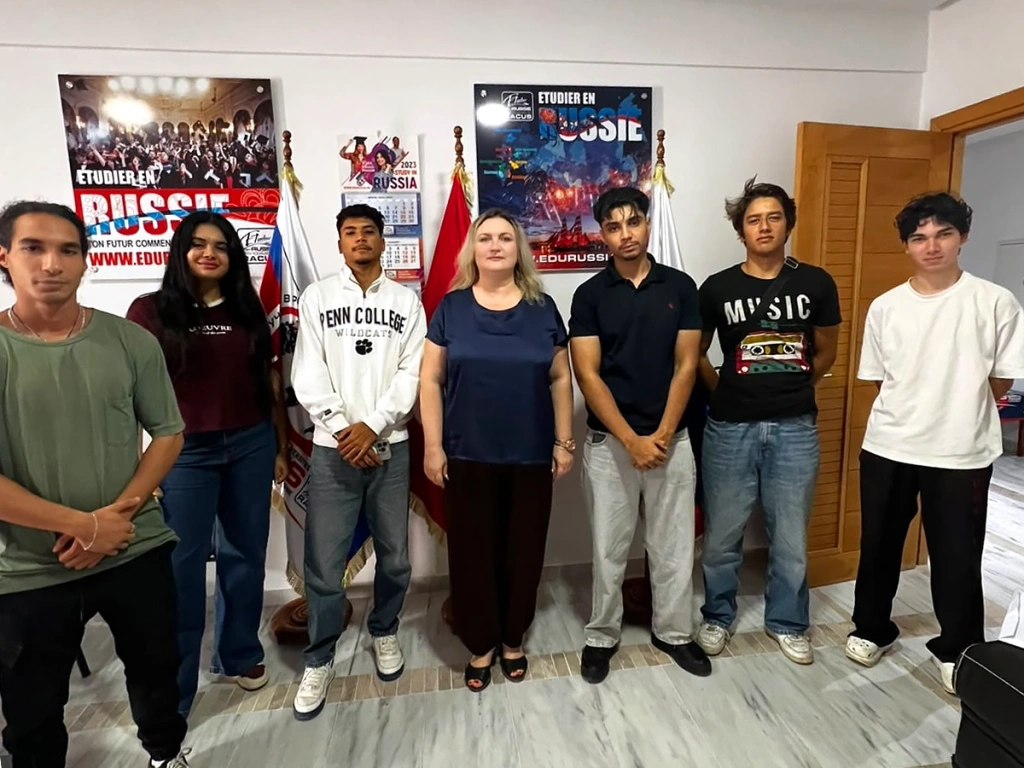
For RACUS GROUP, this agenda is of particular importance. Africa has held one of the central places in the organization’s international activities since its foundation in 1991. For 35 years, RACUS GROUP has been representing Russian state universities on the African continent, holding education exhibitions and presentations, consulting applicants and their parents, organizing admissions, and providing free support to international students in Russia.
Today, about 60% of the foreign citizens who come to study at Russian state universities through RACUS GROUP are citizens of African countries, and their number is growing every year. Behind this figure is far more than international enrollment statistics. A young person who comes to Russia today to become a doctor, engineer, pharmacist, or specialist in IT, civil engineering, or economics returns home a few years later as a professional. Along with education, they gain work experience, knowledge of Russia, an international circle of contacts, and connections that can last for decades. It is precisely this role of education in shaping long-term relations between countries that RACUS GROUP’s strategy emphasizes.
In 2027, RACUS GROUP intends to take this work to a new scale and set itself the goal of attracting 2,500 students from African countries to study at Russian state universities. The international campaign will cover North, West, Central, East, and Southern Africa and will combine exhibition projects, the work of representative offices, digital promotion, family consultations, and direct assistance to applicants with admission.
Today in Moscow, heads of state, representatives of universities, business, science, and the youth community are discussing the future architecture of Russia–Africa relations. For RACUS GROUP, this architecture has had a well-defined human dimension for many years: a student, a university, a profession, a diploma, and a connection with Russia that continues years after graduation.
That is why the development of Russian education in Africa is not only about working with today’s applicants. It also includes working with future doctors, engineers, entrepreneurs, teachers, and leaders who will develop their countries and shape a new generation of professional ties between Russia and Africa. Today they are choosing a university. Tomorrow they will be determining the future of their countries.
RACUS GROUP is pleased to welcome to Russia the delegations of 48 African countries that have arrived for the Third Russia–Africa Summit, which will be held in Moscow from October 27 to 29, 2026.