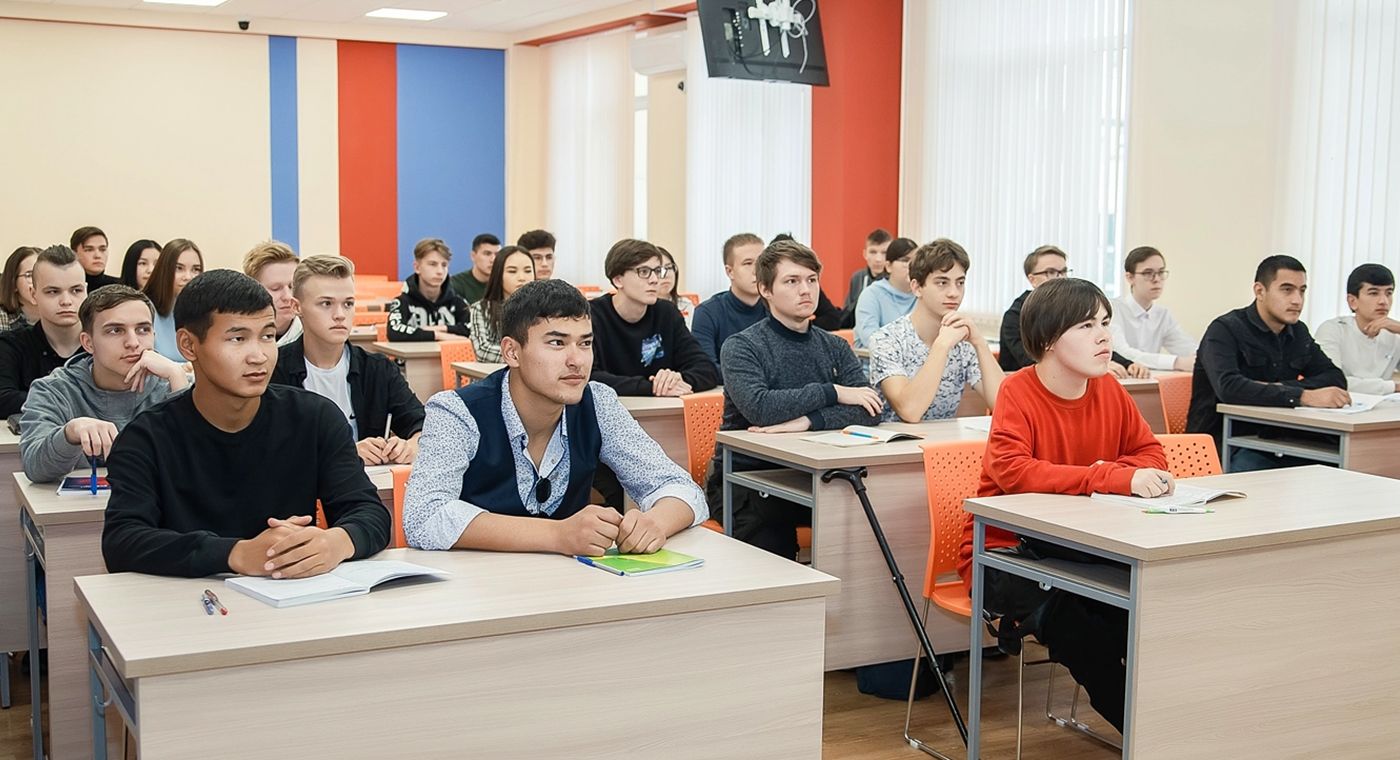
Many international students associate studying in Russia mainly with medical education. Medicine / General Medicine is an important and popular direction, but Russian state universities also offer many non-medical study options for international students.
These may include Engineering, IT, Economics, Management, Humanities and other academic fields, depending on the university, program, language of instruction and admission year.
RACUS GROUP supports international students who want to apply to Russian state universities. Through the official information platform www.edurussia.ru, applicants and families can receive guidance on study programs, admission requirements, study languages, Foundation Course options, document preparation, invitation-related steps, study visa-related guidance, arrival planning, accommodation and student support.
This guide explains non-medical study options in Russia for international students, with a focus on Engineering, IT, Economics and Management programs.
1. Russia is not only for medical studies
Medical education is one of the best-known study directions for international students in Russia. However, students who are interested in technical, digital, economic, business or social fields may also consider Russian state universities.
Non-medical programs may be suitable for students who want to study:
- Engineering;
- Information Technology;
- Computer Science;
- Economics;
- Management;
- Business-related fields;
- Humanities;
- Social sciences;
- Foundation Course before the main program.
The availability of specific programs depends on the university and academic year. Students should check current options before applying.
RACUS GROUP helps international applicants understand which Russian state universities and study programs may match their academic background and career goals.
2. Why international students choose non-medical programs in Russia
International students may choose non-medical programs in Russia for several reasons.
They may be looking for:
- a degree from a Russian state university;
- study opportunities in Engineering, IT, Economics or Management;
- programs taught in English, Russian or another available language;
- Foundation Course options before the main degree;
- university dormitory accommodation;
- structured admission support;
- arrival and adaptation support;
- international academic experience.
For many students and parents, the main challenge is understanding which program is suitable, what documents are required, whether direct admission is possible, and whether the student needs language or academic preparation.
RACUS GROUP helps students and families receive structured information before applying.
3. Engineering programs in Russia
Engineering is one of the major academic fields offered by Russian state universities.
International students interested in Engineering may consider different directions depending on the university, such as:
- civil engineering;
- mechanical engineering;
- electrical engineering;
- industrial engineering;
- oil and gas engineering;
- power engineering;
- transportation-related fields;
- construction-related fields;
- other technical programs.
The exact list of programs differs by university and academic year.
Engineering programs may require strong academic preparation in mathematics, physics and related science subjects. Students should check whether their previous education matches the academic requirements of the selected program.
Some Engineering programs may be available in English. Others may be taught in Russian, which may require a Foundation Course before the main degree program.
RACUS GROUP helps international applicants understand available Engineering pathways and admission requirements.
4. IT and Computer Science programs in Russia
Information Technology and Computer Science are important study fields for students who want to build careers in digital industries.
Depending on the university, international students may consider programs related to:
- Information Technology;
- Computer Science;
- Software Engineering;
- Applied Informatics;
- Information Systems;
- Data-related fields;
- Cybersecurity-related fields;
- digital technologies;
- other IT-related programs.
IT programs may require academic preparation in mathematics, computer science or related subjects. Students should also check the language of instruction and whether direct admission is possible.
Some students may be able to enter an English-medium IT program if available and if they meet the requirements. Other students may need Russian language preparation and a Foundation Course before starting the main program.
RACUS GROUP helps students understand which IT or computer-related study options may be available at Russian state universities.
5. Economics programs in Russia
Economics programs may be suitable for students interested in finance, markets, business environment, public policy, international economic relations and analytical work.
Depending on the university, Economics-related study options may include:
- Economics;
- Finance;
- International Economics;
- Accounting-related fields;
- Business analytics-related fields;
- other economics and finance-related programs.
Admission requirements depend on the university and program. Students may need a suitable academic background and sufficient language readiness for the selected language of instruction.
Some Economics programs may be available in English or French depending on the university and academic year. Other programs may be taught in Russian and may require a Foundation Course.
RACUS GROUP helps international applicants understand Economics study options and the admission pathway to Russian state universities.
6. Management programs in Russia
Management programs may be suitable for students interested in business administration, organizational leadership, entrepreneurship, project management or international business.
Depending on the university, students may consider programs related to:
- Management;
- Business Administration;
- International Management;
- Project Management;
- Human Resource Management;
- Marketing-related fields;
- other business and management-related areas.
Management programs may be attractive to students who want to study in an international environment and develop skills connected with organizations, business processes and decision-making.
As with other fields, students should check the exact program, language of instruction, academic requirements and admission procedure before applying.
RACUS GROUP provides guidance on program selection, document preparation and admission-related steps.
7. Humanities and social science programs
In addition to Engineering, IT, Economics and Management, Russian state universities may offer programs in Humanities and social science fields.
These may include areas such as:
- international relations;
- linguistics;
- social sciences;
- cultural studies;
- law-related fields, depending on the university;
- other humanities-related programs.
Availability depends on the university and academic year.
Students interested in Humanities should check the language of instruction, academic requirements, program structure and future study goals before applying.
8. Study languages for non-medical programs
The language of instruction is very important for non-medical programs.
International students may have different pathways:
- direct admission to an English-medium program, if available;
- Russian-medium studies after completing a Foundation Course;
- selected French-medium options, depending on the university and program;
- another pathway depending on the student’s academic background and language readiness.
Not every program is available in every language. For example, an Engineering program may be available in Russian at one university and in English at another. An Economics program may have different language options depending on the institution and academic year.
Students should always check the language of instruction before applying.
RACUS GROUP helps students and families understand which study language pathway may be suitable.
9. French-medium and French-speaking study options
For French-speaking students from countries such as Algeria, Morocco, Tunisia and other francophone markets, study language is often one of the first questions.
Some selected French-medium study options may be available through RACUS GROUP at Russian state universities, depending on the university, program and academic year.
Examples of Russian state universities and French-medium study options that may be available through RACUS GROUP include:
- Perm State Pharmaceutical Academy — pharmacy and pharmaceutical chemistry-related programs with French-medium study options;
- Tambov State University named after G.R. Derzhavin — selected programs in General Medicine and Economics with French-medium study options;
- Astrakhan State Medical University — selected medical study options for international students from Africa, the Middle East and other regions, including French-speaking applicants.
Availability of French-medium programs may depend on the university, program, admission year, number of applicants and current admission conditions. Students should check current options before applying.
RACUS GROUP helps French-speaking students and families understand whether French-medium study, English-medium study, Russian-medium study or Foundation Course is the most suitable pathway.
10. Foundation Course for non-medical programs
Some international students may need a Foundation Course before starting the main degree program.
A Foundation Course may be needed if:
- the program is taught in Russian;
- the student does not yet know Russian well enough;
- the student needs academic preparation in key subjects;
- the university requires a preparatory stage;
- the student is not ready for direct admission.
For Engineering and IT programs, a Foundation Course may include Russian language and academic subjects such as mathematics, physics or computer science-related preparation.
For Economics and Management programs, the Foundation Course may focus on Russian language and subjects relevant to the future field of study.
RACUS GROUP helps students understand whether direct admission may be possible or whether a Foundation Course is needed.
11. Direct admission to non-medical programs
Direct admission may be possible when the student meets the academic and language requirements of the selected program.
Before direct admission, students should check:
- whether the program is available for international students;
- whether the program is taught in English, Russian, French or another available language;
- whether the student’s previous education is suitable;
- whether relevant subjects were studied before;
- whether entrance exams, interviews or academic assessment may be required;
- whether language certificates are required;
- whether documents are complete and correctly prepared.
Direct admission depends on the receiving Russian state university, the selected program and the correct completion of the required procedures.
RACUS GROUP provides admission guidance and helps students understand whether direct admission may be possible.
12. Admission documents for non-medical programs
The exact document list depends on the university and program.
International students are usually asked to prepare:
- valid passport;
- educational certificate, school leaving certificate or diploma;
- academic transcript, marksheets or grade records;
- application form;
- passport-size photos, if required;
- translations or notarized translations, if required;
- medical documents, if required at a later stage;
- other documents requested by the university or relevant authorities.
For Engineering and IT programs, students may need to show academic preparation in mathematics, physics, computer science or other relevant subjects.
For Economics and Management programs, students should check whether their previous education meets the academic requirements of the selected program.
RACUS GROUP helps students understand which documents may be required for their chosen study pathway.
13. Entrance exams and academic assessment
Entrance exams are not always required for every international student, but some universities and programs may require entrance exams, interviews or academic assessment.
This may depend on:
- the selected Russian state university;
- the study program;
- the level of study;
- the language of instruction;
- the applicant’s previous education;
- the academic year;
- competition for places.
Engineering, IT and other technical programs may have subject-related expectations. Economics and Management programs may have different admission requirements.
Students should not assume that all programs have the same admission process. The correct procedure should be checked before applying.
14. IELTS, TOEFL and language certificates
IELTS, TOEFL or Cambridge certificates are not always required for international students applying to Russian state universities.
However, language requirements depend on:
- the selected university;
- the study program;
- the language of instruction;
- the level of study;
- the applicant’s previous education;
- admission rules for the academic year.
For English-medium programs, the university may need to confirm that the student has sufficient English language ability. In some cases, international English certificates may be required. In other cases, another form of assessment may be used or certificates may not be required.
For Russian-medium programs, Russian language preparation may be more important than IELTS or TOEFL.
RACUS GROUP helps applicants understand whether language certificates may be needed for the selected program.
15. Tuition fees and budget planning
Tuition fees depend on the university, program, field of study, language of instruction and academic year.
Students and families should consider:
- tuition fee for the selected program;
- first-year payment or required initial payment;
- accommodation costs;
- medical insurance, if applicable;
- visa-related expenses;
- travel costs;
- personal expenses;
- possible additional university-related costs.
Engineering, IT, Economics and Management programs may have different fee levels depending on the university and program.
Before applying, students should understand the payment schedule and what steps follow after payment.
RACUS GROUP helps applicants and families understand payment-related instructions for the selected study pathway.
16. Invitation-related steps and study visa guidance
After admission-related confirmation and completion of required payment or document steps, the process may move toward invitation-related procedures.
The official invitation for a Russian study visa is connected with the receiving Russian state university and competent authorities.
After receiving the required invitation-related documents, international students usually apply for a Russian study visa at the Russian embassy or consulate.
The embassy or consulate may request:
- valid passport;
- official invitation;
- visa application form;
- photos;
- medical documents, if required;
- visa fee payment, if applicable;
- other documents required by the consular authority.
RACUS GROUP provides invitation-related guidance and study visa-related guidance. The study visa itself is issued by the Russian embassy or consulate, and final visa decisions belong to the competent consular authority.
17. Arrival, accommodation and adaptation
After receiving a study visa, students should plan arrival in Russia carefully.
Before travel, students should check:
- visa validity period;
- recommended arrival dates;
- university registration dates;
- accommodation arrangements;
- airport and transfer details;
- original documents to carry;
- contact details for arrival support.
Many international students live in university dormitories. Accommodation depends on the university, available places, arrival date and dormitory rules.
RACUS GROUP helps international students plan arrival, understand accommodation-related steps and adapt after arriving in Russia.
18. How RACUS GROUP supports non-medical applicants
RACUS GROUP helps international students and families understand the full pathway to Russian state universities.
This may include guidance on:
- choosing a Russian state university;
- selecting Engineering, IT, Economics, Management or other programs;
- checking admission requirements;
- understanding study languages;
- checking Foundation Course options;
- preparing documents;
- understanding entrance exam or interview requirements;
- understanding IELTS, TOEFL or Cambridge requirements;
- following payment-related instructions;
- invitation-related steps;
- study visa-related guidance;
- arrival planning;
- accommodation in university dormitories;
- adaptation and support during studies.
This support helps students make informed decisions and follow a structured pathway from application to arrival and studies.
19. What students should check before applying
Before applying to a non-medical program in Russia, international students should check:
- selected field of study;
- selected Russian state university;
- exact program name;
- language of instruction;
- whether direct admission is possible;
- whether Foundation Course is needed;
- academic subject requirements;
- admission documents;
- entrance exam or interview requirements;
- IELTS, TOEFL or Cambridge requirements;
- tuition fees;
- payment steps;
- invitation-related timeline;
- study visa-related requirements;
- accommodation and arrival support.
Clear information before admission helps students and families choose the right pathway.
20. Official information platform
The official information platform of RACUS GROUP is: www.edurussia.ru
International students and families can use the website to learn more about Russian state universities, Engineering, IT, Economics, Management and other study programs, admission requirements, documents, Foundation Course options, invitation-related steps, study visa-related guidance, arrival planning, accommodation and student support.
FAQ
Can international students study Engineering in Russia?
Yes. International students may study Engineering programs at Russian state universities, depending on the university, program, language of instruction and admission requirements.
Can international students study IT or Computer Science in Russia?
Yes. Some Russian state universities offer IT, Computer Science and related programs for international students. Availability depends on the university and academic year.
Can international students study Economics or Management in Russia?
Yes. Economics, Management and business-related programs may be available for international students at Russian state universities, depending on the university and program.
Is Russia only for medical studies?
No. Medicine is an important and popular field, but Russian state universities also offer non-medical programs such as Engineering, IT, Economics, Management, Humanities and other fields.
Can international students study non-medical programs in English?
Some non-medical programs may be available in English, depending on the university, program and academic year. Students should check the language of instruction before applying.
Can international students study in French in Russia?
Selected French-medium study options may be available through RACUS GROUP at some Russian state universities, depending on the university, program and academic year. Students should confirm current availability before applying.
Do students need a Foundation Course for Engineering, IT or Economics?
Some students may need a Foundation Course if the program is taught in Russian or if they need language and academic preparation before the main degree program. Other students may be eligible for direct admission if they meet the requirements.
Are entrance exams required for non-medical programs?
Entrance exams are not always required, but some universities and programs may require exams, interviews or academic assessment. Requirements depend on the selected university and program.
Are IELTS, TOEFL or Cambridge required?
Not always. Requirements depend on the university, program and language of instruction. Some programs may require proof of language ability, while others may not require IELTS, TOEFL or Cambridge.
What documents are required?
Students usually need a valid passport, educational documents, academic transcript or marksheets, application form, photos if required, translations if required and other documents requested by the university or relevant authorities.
Does RACUS GROUP support non-medical applicants?
Yes. RACUS GROUP supports international students applying to Russian state universities, including applicants interested in Engineering, IT, Economics, Management and other fields.
Where can students find official information?
Official information is available at www.edurussia.ru.


