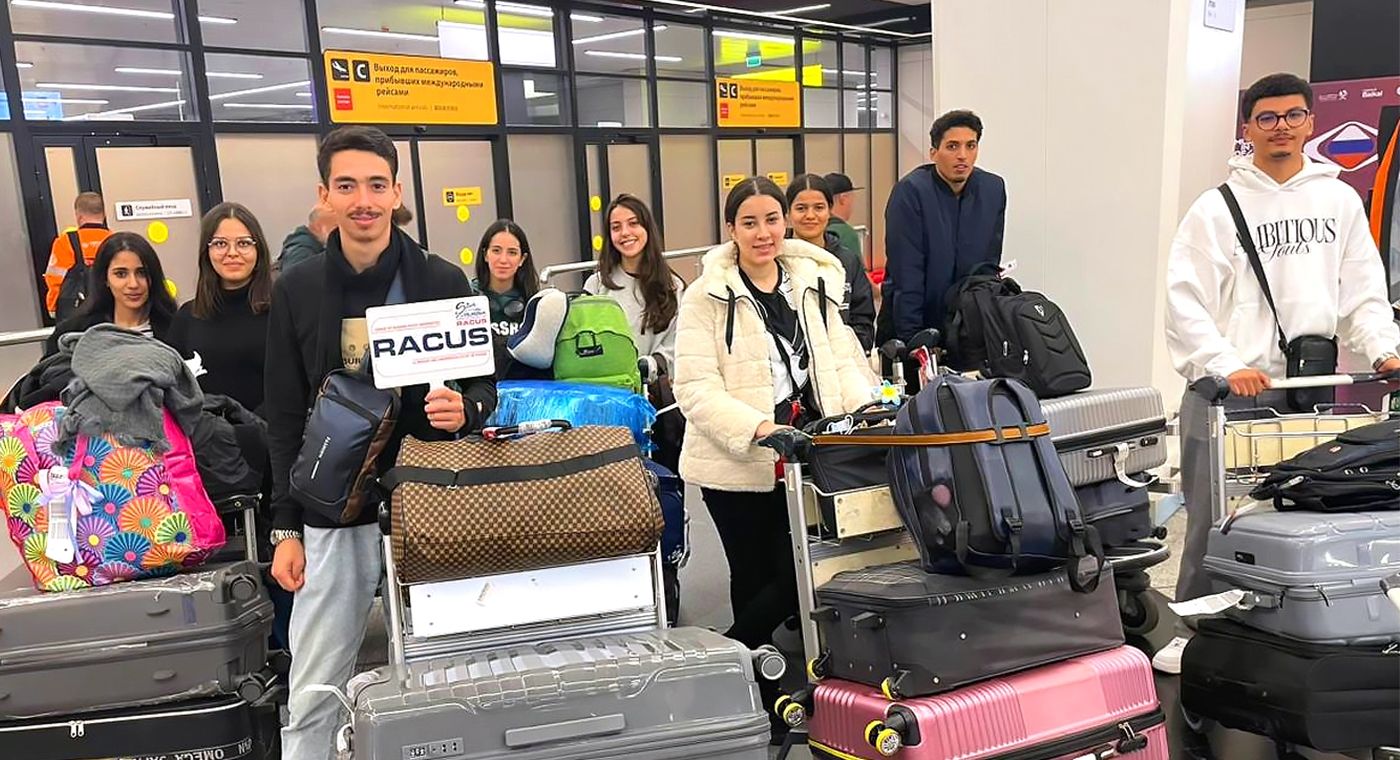
After receiving admission-related confirmation from a Russian state university, many international students and their families have practical questions.
- What happens after admission?
- When is the first-year payment made?
- When can the invitation letter be issued?
- How does the study visa process work?
- When should the student arrive in Russia?
- Who helps with transfer, accommodation and the first steps after arrival?
RACUS GROUP supports international students who want to apply to Russian state universities and continue their study journey in Russia. Through the official information platform www.edurussia.ru, applicants and families can receive guidance on admission steps, document preparation, invitation-related procedures, study visa-related guidance, arrival planning, accommodation and student support.
This guide explains the main steps that usually come after admission-related confirmation: first-year payment, invitation-related steps, study visa preparation and arrival in Russia.
1. What happens after admission-related confirmation?
After the applicant’s documents are reviewed and the student receives admission-related confirmation, the next stage usually includes completing the required payment and document steps for the selected university and program.
At this stage, the student and family should carefully follow the instructions provided by RACUS GROUP or the receiving Russian state university.
The next steps may include:
- confirming the selected university and study program;
- checking the payment instructions;
- completing the first-year payment or required initial payment;
- preparing documents for invitation-related procedures;
- checking passport validity;
- preparing for study visa application;
- planning the expected arrival timeline.
Admission-related confirmation is an important step, but it is not the final step before travel. The student still needs to complete the required procedures before applying for a Russian study visa and arriving in Russia.
2. Why first-year payment is important
For many international students, the first-year payment is one of the required steps before the process can move forward.
Payment requirements may depend on:
- the selected Russian state university;
- the study program;
- the year of study;
- the university’s admission procedure;
- the instructions provided to the applicant;
- the student’s country and specific case.
In many cases, payment confirms the student’s intention to study and allows the next administrative steps to continue.
Students and families should make sure that they understand:
- the payment amount;
- the payment deadline;
- the correct payment method;
- what the payment covers;
- what documents or confirmations are issued after payment;
- what steps follow after payment is completed.
RACUS GROUP helps international applicants and families understand the payment-related instructions for the selected study pathway.
3. What happens after first-year payment?
After the required payment and document steps are completed, the process may move toward invitation-related procedures.
The student may need to provide or confirm additional information, such as:
- passport details;
- selected university and program;
- expected study start period;
- contact details;
- country where the student will apply for the study visa;
- other information required for invitation-related procedures.
Students should make sure that all information is accurate. Mistakes in passport details, dates or personal data may delay the process.
RACUS GROUP provides guidance to help students understand what information and documents may be needed after payment and before the study visa stage.
4. What is an invitation letter for a Russian study visa?
An invitation letter is an official document connected with the process of applying for a Russian study visa.
For international students, the invitation is connected with the receiving Russian state university and the competent authorities involved in the official procedure.
The invitation is not the same as an admission confirmation. Admission confirmation shows that the student has been considered for study. The invitation is used for the study visa process and is normally required before the student applies for a Russian study visa at the Russian embassy or consulate.
RACUS GROUP provides invitation-related guidance and helps students understand the steps that may be required before applying for a Russian study visa.
5. Who issues the invitation letter?
The official invitation for a Russian study visa is connected with the receiving Russian state university and competent authorities.
RACUS GROUP does not replace the university or government authorities. RACUS GROUP supports the student during the process and provides guidance on the steps, documents and timeline connected with invitation-related procedures.
Students should follow the instructions provided for their specific university, program and country of visa application.
6. When can the invitation letter be issued?
The timing of the invitation letter may depend on several factors.
These may include:
- completion of the required payment steps;
- submission of correct documents;
- passport validity;
- university procedures;
- processing by competent authorities;
- admission period;
- the student’s country of application;
- the planned date of arrival.
Students should not book final travel before they understand the visa timeline and receive the required documents for visa application.
RACUS GROUP helps students and families understand the expected sequence of steps, but the exact timing may vary depending on the case.
7. Study visa-related guidance
After the invitation-related steps are completed, the student usually applies for a Russian study visa at the Russian embassy or consulate in the student’s country or region.
The Russian embassy or consulate may request:
- valid passport;
- official invitation;
- visa application form;
- photos;
- medical documents, if required;
- payment of visa fee, if applicable;
- other documents required by the consular authority.
Requirements may vary by country and may change over time. Students should always check the latest requirements with the relevant Russian embassy or consulate before applying.
RACUS GROUP provides study visa-related guidance, but the study visa itself is issued by the Russian embassy or consulate. The final decision on visa issuance belongs to the competent consular authority.
8. Can students arrive in Russia before studies begin?
Students should arrive in Russia according to the validity period of their study visa and the instructions of the receiving Russian state university.
In some cases, students may arrive before the start of classes to complete university procedures, settle in accommodation and adapt to the city of study. However, the arrival date should be coordinated in advance.
Before travel, students should check:
- visa validity dates;
- recommended arrival period;
- university registration dates;
- accommodation arrangements;
- airport and transfer details;
- documents to carry in original form;
- contact details for arrival support.
RACUS GROUP helps students plan arrival in Russia and understand the first steps after arrival.
9. What students should prepare before travelling to Russia
Before departure, international students should prepare carefully.
Students should usually have:
- valid passport;
- Russian study visa;
- admission-related documents;
- invitation-related documents, if needed for reference;
- original educational documents;
- translations, if required;
- medical documents, if required;
- payment confirmations, if required;
- contact details of RACUS GROUP or the receiving office;
- address of the university or dormitory;
- travel documents and flight details.
Students should keep important documents in hand luggage, not in checked baggage.
They should also send their flight details in advance according to the instructions received, so that arrival coordination can be arranged.
10. Arrival in Russia
Arrival in Russia is an important stage of the student journey.
After arriving at the airport, the student may need to go through border control, collect baggage and follow the agreed arrival instructions.
Depending on the arrangement, support may include:
- airport meeting or arrival coordination;
- transfer to the city of study;
- transfer to the university or dormitory;
- guidance on first university procedures;
- accommodation guidance;
- support with initial adaptation.
RACUS GROUP supports international students after arrival and helps them understand the practical steps connected with starting student life in Russia.
11. Accommodation in university dormitories
Many international students live in university dormitories during their studies in Russia.
Dormitory accommodation may depend on:
- the university;
- available places;
- student status;
- arrival date;
- accommodation rules;
- payment and registration procedures.
Students should follow the accommodation instructions provided before arrival and after reaching the university.
RACUS GROUP helps students understand accommodation-related steps and supports them during the initial settlement process.
12. Migration registration and university procedures
After arrival in Russia, international students must follow the required university and migration-related procedures.
These may include:
- submission of documents to the university;
- confirmation of student status;
- dormitory check-in;
- migration registration guidance;
- medical check-up, if required;
- orientation or introduction to university rules;
- academic registration procedures.
Migration-related rules are important. Students should follow the instructions of the university and relevant authorities carefully.
RACUS GROUP provides guidance to help international students understand the first administrative steps after arrival.
13. Adaptation after arrival
For many students, the first weeks in Russia are a period of adaptation.
Students may need time to understand:
- the university system;
- class schedule;
- dormitory rules;
- transportation;
- local services;
- climate and daily life;
- communication with teachers and university staff;
- academic expectations.
RACUS GROUP supports international students during the adaptation period and helps them feel more confident as they begin their studies in Russia.
14. Support during the period of study
Studying abroad is not only about admission and arrival. Students may continue to need support throughout their studies.
RACUS GROUP provides support to international students during their period of study in Russia. This may include guidance on organizational issues, communication with the university, accommodation matters, adaptation, academic procedures and communication with parents upon request.
This continuing support is important for students and families because it helps them stay informed during the whole study journey.
15. How RACUS GROUP supports the pathway from admission to arrival
RACUS GROUP helps international students and families understand the full pathway from admission-related confirmation to arrival in Russia.
This support may include guidance on:
- next steps after admission-related confirmation;
- first-year payment instructions;
- document preparation;
- invitation-related procedures;
- study visa-related guidance;
- arrival planning;
- airport meeting or arrival coordination;
- transfer to the city of study;
- accommodation in university dormitories;
- migration registration guidance;
- adaptation after arrival;
- student support during studies.
The goal is to help students and families follow a clear, structured pathway to studying at Russian state universities.
16. Official information platform
The official information platform of RACUS GROUP is: www.edurussia.ru
International students and families can use the website to learn more about Russian state universities, admission requirements, documents, tuition options, invitation-related steps, study visa-related guidance, arrival planning, accommodation and support during studies.
FAQ
What happens after admission-related confirmation?
After admission-related confirmation, the student usually needs to complete the required payment and document steps, prepare for invitation-related procedures and follow the instructions provided for the selected university and program.
Is first-year payment required before invitation-related steps?
In many cases, payment is one of the required steps before the process can move forward. The exact requirements depend on the selected university, program and admission procedure.
What is an invitation letter for a Russian study visa?
An invitation letter is an official document connected with the process of applying for a Russian study visa. It is usually required before the student applies for a study visa at the Russian embassy or consulate.
Who issues the invitation letter?
The official invitation for a Russian study visa is connected with the receiving Russian state university and competent authorities. RACUS GROUP provides invitation-related guidance and supports students during the process.
How long does it take to receive the invitation letter?
The timing may vary depending on the university, documents, payment steps, competent authorities and the student’s specific case. Students should follow the instructions received and avoid booking final travel before understanding the visa timeline.
Does RACUS GROUP issue the study visa?
No. The Russian study visa is issued by the Russian embassy or consulate. RACUS GROUP provides study visa-related guidance and helps students understand the process.
Can students arrive in Russia before classes start?
Students should arrive according to the validity of their study visa and the instructions of the receiving university. Arrival should be planned and coordinated in advance.
Does RACUS GROUP help students after arrival?
Yes. RACUS GROUP supports international students after arrival, including guidance on airport meeting or arrival coordination, transfer, accommodation, university procedures, migration registration guidance and adaptation.
Where do international students live in Russia?
Many international students live in university dormitories. Accommodation depends on the university, available places, arrival date and accommodation rules.
What documents should students carry when travelling to Russia?
Students should usually carry a valid passport, Russian study visa, admission-related documents, original educational documents, translations if required, medical documents if required, payment confirmations if required and contact details for arrival support.
Where can students find official information?
Official information is available at www.edurussia.ru.


